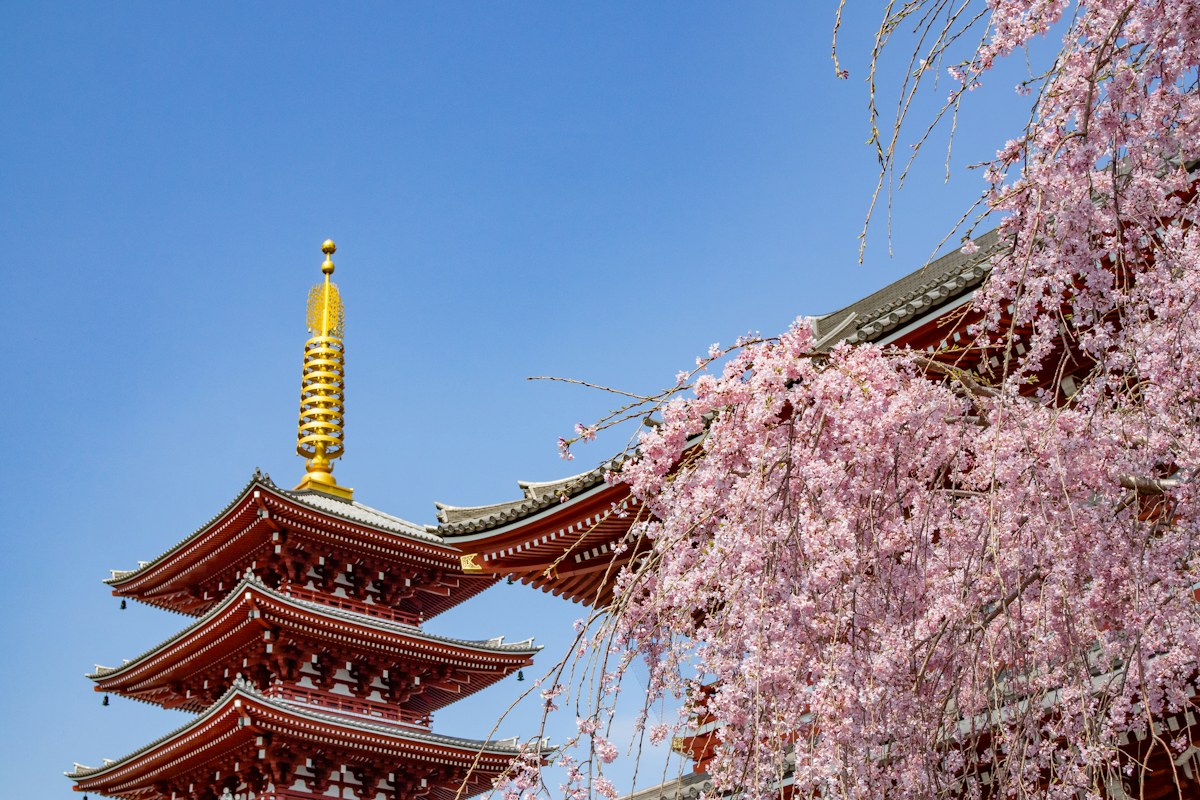
There's a particular kind of Sydney winter evening — the light gone by 5, the harbour the colour of wet slate, the walk from the office to Wynyard done at a hunch against the wind — that makes a person start googling flights to Tokyo. And who could blame you. Somewhere out there is a 7-Eleven egg sando at midnight, a bowl of tonkotsu that fixes things, an onsen with the steam coming off it, neon reflected in wet Shibuya asphalt. Japan is roughly nine and a half hours away, and it is worth every one of them.
But Japan is a pricier trip than Bali, and it behaves differently when you're booking it. We've tracked Sydney–Tokyo fares every day since early March — 3,100-plus snapshots on the Haneda nonstop alone, scored each morning. Some of what the data says is genuinely counterintuitive. Here it is.
First, the honest bit: most days aren't a deal
Of every fare window we've scored on the Sydney–Tokyo nonstop since March, only about 1.7% earned our top tier — 🔥 Rare, Book Now. On more than a quarter of them, the fare was flat-out overpriced. Genuine deals on this route are rarer than on Bali, and they don't announce themselves — which is exactly why knowing the numbers matters.
What a normal Sydney to Tokyo fare actually costs
Two very different products fly this route, so we never blend them:
- Full-service nonstop (Qantas, ANA, JAL): typically $1,660–$1,960 return, median around $1,790. Yes — that's roughly double a Bali fare. A $1,400 Tokyo nonstop isn't expensive; it's a bargain.
- Budget, one stop (mostly Scoot via Singapore): typically $1,060–$1,370 return, median around $1,181. Cheaper, but it's a connection — there's no nonstop budget option on this route.
So the real choice on Japan isn't just when — it's whether the nonstop is worth ~$600 to you over a one-stop. For a nine-and-a-half-hour flight, plenty of people say yes.
When to book: forget booking a year out
Here's the surprise. If you read our Bali guide, you'll know the rule there is "book as early as you can — the fare only climbs." Japan does not work like that.
On the Sydney–Tokyo nonstop — the only direct, and almost never the cheapest fare of the day — the median sits within about $40 of $1,800 anywhere from 30 to 90 days out; but that's a cross-section, not a saving: held to the same departure date, the nonstop still cost a median $138 (8.3%) more at one month out than at three. Beyond 90 days the only departures we can see are October to January, and it's the December–January peak lifting that median, not the booking horizon. What is punished is leaving it late: on the same departure dates we tracked, waiting from three months out to one month out cost more on 84.5% of the 84 we could pair — a median +$176 (14.2%) on the cheapest fare of the day whatever the routing, and +$138 (8.3%) on the nonstop alone. The last fortnight is a smaller step than it sounds: from one month out to two weeks out the cheapest fare rose on 56.6% of 106 dates, a median +$18. It is the three-month-to-one-month stretch that costs you.
The rule for Japan: book one to three months out. Not earlier (it does nothing), not later (it costs you). It's a more forgiving route than Bali — the waiting penalty is about half — but the sweet spot is real.
It's worth knowing how differently the other routes behave. Sydney to Bangkok fares barely move at all — the nonstop sat in a $1,070–$1,380 band for fifteen straight weeks — so there timing matters less than pouncing on a genuine dip. Sydney to Ho Chi Minh City sits between the two: waiting a month cost about 13%, so book ahead, but you have more breathing room than on Bali.
Watch the calendar: school holidays and foliage season
Two seasonal patterns show up clearly in the data, at matched booking horizons. July — the winter school holidays — is a peak: July departures ran about $369 dearer than June's on full-service. And fares are climbing toward the September–October foliage season, not falling: October (peak autumn-leaves) departures are trending dearer, so if red maples are the goal, book earlier in that 1–3 month window rather than hoping for a dip. If you are still deciding when to go rather than when to buy, our season-by-season guide to visiting Japan covers blossom, foliage and ski timing.
One honesty note: our tracking so far covers departures from 13 May 2026 to 19 January 2027, and the December–January dates are priced only at the longest horizons. We can't yet tell you anything reliable about cherry-blossom season (March–April), and for ski season (December–February) we can see the peak is dear but cannot yet compare booking windows inside it — we simply don't have a full year of data. When we do, we'll say so. We'd rather admit the gap than guess.
Haneda or Narita?
The Sydney nonstop lands at Haneda — closer to the city, and the fares above are for it. Tokyo's other airport, Narita, has no Sydney nonstop; every fare is a one-stop connection of about 16h 50m (see how long the flight from Australia to Japan takes), and it runs roughly $500 cheaper than the Haneda nonstop. If you're going to connect anyway, Narita is worth a look — just know it's a different product (an extra stop, and a longer train into town). Interestingly, the "book 1–3 months out" rule is a Haneda-nonstop finding; the competitive Narita connection market didn't show the same waiting penalty in our early data.
A smaller lever: skip Saturday
Full-service Tokyo fares barely move Monday to Friday — but Saturday departures are the dearest, by around $130 on full-service and proportionally more on budget. If your dates flex, flying out midweek has quietly paid off. Early signal, one season of data — but a free one if it fits.
So — when should you book Tokyo?
Know that a normal nonstop is $1,660–$1,960 (a one-stop ~$600 less), book one to three months ahead — no earlier, definitely no later — dodge the July peak if you can, and lean midweek. Do that and you've beaten the fare mistakes most travellers make on this route.
Or let the numbers do it for you. The Savvy Score checks Sydney–Tokyo fares every morning and gives you one call — book, watch, or wait. See today's Sydney → Tokyo Savvy Score →
📊 Savvy Take: Book Sydney–Tokyo one to three months out — booking earlier saves nothing (the fare's flat), but waiting into the last month cost more on 91% of dates we tracked. A normal Haneda nonstop runs $1,660–$1,960; a one-stop via Narita about $600 less. Dodge July school holidays, and let the Savvy Score pick the day.
Frequently asked questions
When is the cheapest time to fly to Tokyo?
Of the months we can compare like for like, June has been the cheapest and July the dearest: at a matched 30 days out, June departures ran a median $1,548 against July’s $1,917, a $369 gap that is purely the calendar. Autumn does not bring it back down — at 90 days out, August $1,667, September $1,869 and October $1,940, so foliage season is trending dearer, not cheaper. Our tracking covers departures from 13 May 2026 to 19 January 2027, but December and January dates are so far priced only at the longest horizons, so we can see that the Christmas–New Year peak is dear without yet being able to compare booking windows inside it; cherry-blossom season is still outside our data.
How far in advance should I book flights to Japan?
One to three months out. On the Sydney–Tokyo Haneda nonstop — the only direct, and almost never the cheapest fare of the day — the median sits within about $40 of $1,800 anywhere from 30 to 90 days out; but that's a cross-section, not a saving: held to the same departure date, the nonstop still cost a median $138 (8.3%) more at one month out than at three. What is punished is leaving it late: waiting from three months out to one month out cost more on 84.5% of the 84 departure dates we could pair, a median $176 or about 14.2% on the cheapest fare of the day whatever the routing, and $138 or 8.3% on the nonstop alone. The final fortnight adds much less — from one month out to two weeks out the cheapest fare rose on 56.6% of 106 dates, a median $18. Sydney–Narita behaves differently and is a connecting fare either way.
Does booking a year ahead save money on flights to Japan?
No. On the Sydney–Tokyo nonstop — the only direct, and almost never the cheapest fare of the day — the median sits within about $40 of $1,800 anywhere from 30 to 90 days out; but that's a cross-section, not a saving: held to the same departure date, the nonstop still cost a median $138 (8.3%) more at one month out than at three. Beyond 90 days the only departures we can see are October to January, and it's the December–January peak lifting that median, not the booking horizon. Japan behaves differently from Bali, where booking early is the whole game.
How much does a flight to Japan cost from Australia?
A full-service nonstop from Sydney to Tokyo Haneda — Qantas, ANA or JAL — typically runs $1,660–$1,960 return in economy, median around $1,790, roughly double a Bali fare. A budget one-stop, mostly Scoot via Singapore, typically runs $1,060–$1,370, median around $1,181. There is no nonstop budget option on this route. Sydney is the route we track most deeply, so treat these as the Australian benchmark rather than a Melbourne or Brisbane quote.
Is there a nonstop flight from Sydney to Tokyo Narita?
No. Every Sydney–Narita fare connects. Sydney does fly nonstop to Tokyo’s other airport, Haneda, in about 9 hours 50 minutes, so the trick is simply to search Haneda. If you’re going to connect anyway, Narita runs roughly $500 cheaper than the Haneda nonstop — just know it’s an extra stop and a longer train into town.
What is the cheapest day of the week to fly to Tokyo?
Full-service Tokyo fares barely move Monday to Friday, but Saturday departures are the dearest — by around $130 on full-service and proportionally more on budget. That’s one season of data, so treat it as an early signal, but midweek has quietly paid off.
SavvyFlyer alerts
Get free alerts
We score these routes against their own price history every morning. Get an email when a genuine deal lands.
Get free alerts
{
"@context": "https://schema.org",
"@graph": [
{
"@type": "Article",
"@id": "https://savvyflyer.com.au/guides/best-time-to-book-japan#article",
"headline": "Best Time to Book Sydney to Tokyo Flights",
"name": "Best Time to Book Sydney to Tokyo Flights",
"description": "We tracked Sydney-Tokyo fares daily for 3 months. Unlike Bali, booking super-early saves nothing on Japan - book 1-3 months out. Here's the data.",
"image": "https://cdn.prod.website-files.com/69cda8c01569dde7f7da44ed/6abede7079bd64a0b48a2728_photo-1563021555-6460d86d7a4d.jpeg",
"url": "https://savvyflyer.com.au/guides/best-time-to-book-japan",
"mainEntityOfPage": {
"@type": "WebPage",
"@id": "https://savvyflyer.com.au/guides/best-time-to-book-japan"
},
"inLanguage": "en-AU",
"isAccessibleForFree": true,
"datePublished": "2026-07-19",
"dateModified": "2026-09-21",
"author": {
"@type": "Person",
"@id": "https://savvyflyer.com.au/#founder",
"name": "Nathaniel"
},
"publisher": {
"@type": "Organization",
"@id": "https://savvyflyer.com.au/#organization",
"name": "SavvyFlyer"
},
"about": [
{
"@type": "Place",
"name": "Tokyo, Japan"
},
{
"@type": "Thing",
"name": "Airfare booking windows"
}
]
},
{
"@type": "BreadcrumbList",
"@id": "https://savvyflyer.com.au/guides/best-time-to-book-japan#breadcrumb",
"itemListElement": [
{
"@type": "ListItem",
"position": 1,
"name": "Home",
"item": "https://savvyflyer.com.au"
},
{
"@type": "ListItem",
"position": 2,
"name": "Guides",
"item": "https://savvyflyer.com.au/guides"
},
{
"@type": "ListItem",
"position": 3,
"name": "Best Time to Book Sydney to Tokyo Flights",
"item": "https://savvyflyer.com.au/guides/best-time-to-book-japan"
}
]
},
{
"@type": "FAQPage",
"@id": "https://savvyflyer.com.au/guides/best-time-to-book-japan#faq",
"mainEntity": [
{
"@type": "Question",
"name": "When is the cheapest time to fly to Tokyo?",
"acceptedAnswer": {
"@type": "Answer",
"text": "Of the months we can compare like for like, June has been the cheapest and July the dearest: at a matched 30 days out, June departures ran a median $1,548 against July’s $1,917, a $369 gap that is purely the calendar. Autumn does not bring it back down — at 90 days out, August $1,667, September $1,869 and October $1,940, so foliage season is trending dearer, not cheaper. Our tracking covers departures from 13 May 2026 to 19 January 2027, but December and January dates are so far priced only at the longest horizons, so we can see that the Christmas–New Year peak is dear without yet being able to compare booking windows inside it; cherry-blossom season is still outside our data."
}
},
{
"@type": "Question",
"name": "How far in advance should I book flights to Japan?",
"acceptedAnswer": {
"@type": "Answer",
"text": "One to three months out. On the Sydney–Tokyo Haneda nonstop — the only direct, and almost never the cheapest fare of the day — the median sits within about $40 of $1,800 anywhere from 30 to 90 days out; but that's a cross-section, not a saving: held to the same departure date, the nonstop still cost a median $138 (8.3%) more at one month out than at three. What is punished is leaving it late: waiting from three months out to one month out cost more on 84.5% of the 84 departure dates we could pair, a median $176 or about 14.2% on the cheapest fare of the day whatever the routing, and $138 or 8.3% on the nonstop alone. The final fortnight adds much less — from one month out to two weeks out the cheapest fare rose on 56.6% of 106 dates, a median $18. Sydney–Narita behaves differently and is a connecting fare either way."
}
},
{
"@type": "Question",
"name": "Does booking a year ahead save money on flights to Japan?",
"acceptedAnswer": {
"@type": "Answer",
"text": "No. On the Sydney–Tokyo nonstop — the only direct, and almost never the cheapest fare of the day — the median sits within about $40 of $1,800 anywhere from 30 to 90 days out; but that's a cross-section, not a saving: held to the same departure date, the nonstop still cost a median $138 (8.3%) more at one month out than at three. Beyond 90 days the only departures we can see are October to January, and it's the December–January peak lifting that median, not the booking horizon. Japan behaves differently from Bali, where booking early is the whole game."
}
},
{
"@type": "Question",
"name": "How much does a flight to Japan cost from Australia?",
"acceptedAnswer": {
"@type": "Answer",
"text": "A full-service nonstop from Sydney to Tokyo Haneda — Qantas, ANA or JAL — typically runs $1,660–$1,960 return in economy, median around $1,790, roughly double a Bali fare. A budget one-stop, mostly Scoot via Singapore, typically runs $1,060–$1,370, median around $1,181. There is no nonstop budget option on this route. Sydney is the route we track most deeply, so treat these as the Australian benchmark rather than a Melbourne or Brisbane quote."
}
},
{
"@type": "Question",
"name": "Is there a nonstop flight from Sydney to Tokyo Narita?",
"acceptedAnswer": {
"@type": "Answer",
"text": "No. Every Sydney–Narita fare connects. Sydney does fly nonstop to Tokyo’s other airport, Haneda, in about 9 hours 50 minutes, so the trick is simply to search Haneda. If you’re going to connect anyway, Narita runs roughly $500 cheaper than the Haneda nonstop — just know it’s an extra stop and a longer train into town."
}
},
{
"@type": "Question",
"name": "What is the cheapest day of the week to fly to Tokyo?",
"acceptedAnswer": {
"@type": "Answer",
"text": "Full-service Tokyo fares barely move Monday to Friday, but Saturday departures are the dearest — by around $130 on full-service and proportionally more on budget. That’s one season of data, so treat it as an early signal, but midweek has quietly paid off."
}
}
]
}
]
}